
 +86 18392991072



0102030405
Introduction to Lithium Battery Production (Part 1)
2025-11-19
The production process of Lithium Batteries is complex, with strict requirements for each procedure. Ranging from raw material pretreatment and electrode preparation (including slurry mixing, coating, etc.), to cell assembly (such as winding/laminating and cell casing), and further to activation and testing (encompassing electrolyte injection, formation, and capacity grading), every step must be precisely controlled to ensure the battery’s performance and safety. Below is an introduction to its basic procedures.
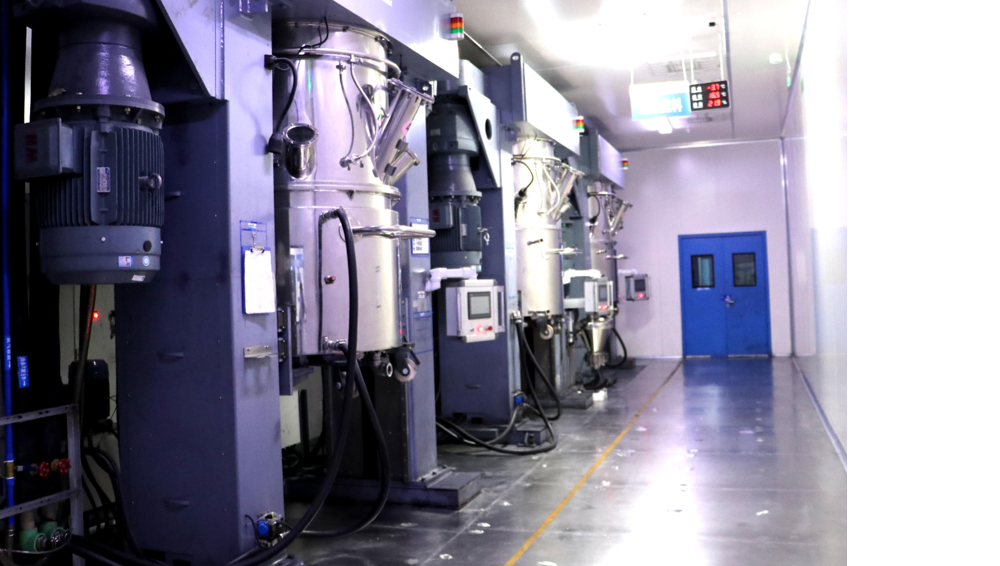
1. Slurry Preparation
Slurry preparation, as the name suggests, refers to the process of making electrode slurries. It is divided into positive electrode slurry preparation and negative electrode slurry preparation. This process involves using mixing equipment to fully stir and blend positive or negative electrode materials with dispersion solvents, along with necessary binders and conductive agents, to produce a homogeneous slurry for use in the subsequent procedure. It exerts a direct impact on electrode consistency and overall battery performance.
In terms of workflow:First, binders and solvents (e.g., NMP for positive electrodes and water for negative electrodes) are stirred and dissolved to form a glue solution;Next, conductive agents are added and dispersed to establish a conductive network matrix;Finally, active materials (such as ternary materials for positive electrodes and graphite for negative electrodes) are incorporated. After undergoing high-speed stirring and grinding dispersion, parameters like slurry viscosity and solid content are closely monitored and adjusted to ensure all components are uniformly mixed. Eventually, a stable slurry that meets the coating requirements is obtained.
2. Coating
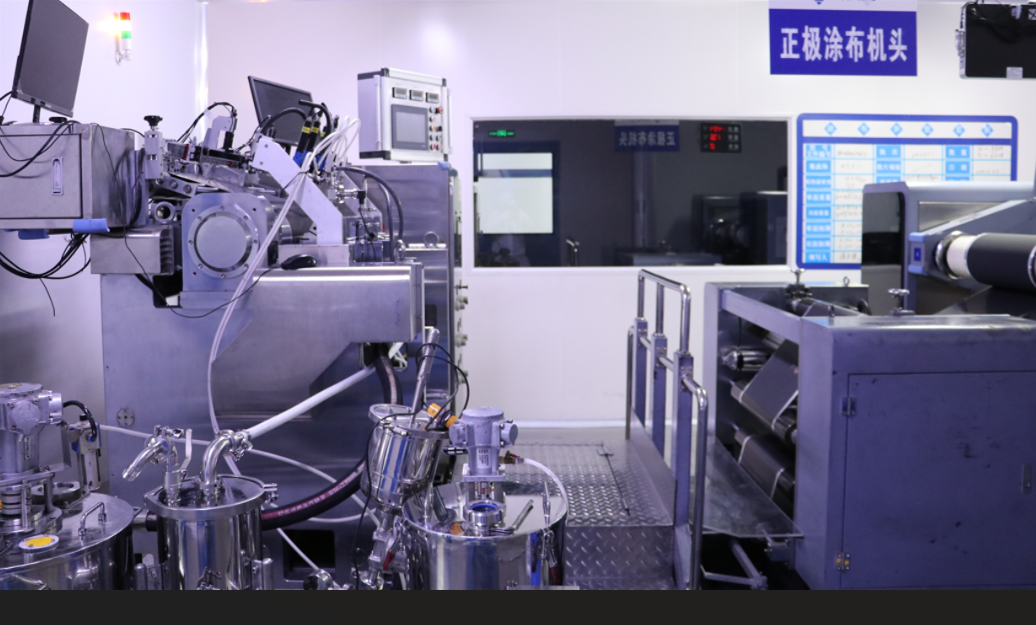
Coating is the process of applying the slurry (prepared in the previous slurry preparation step) onto copper foil (for negative electrodes) or aluminum foil (for positive electrodes) using a coating machine. As a crucial procedure in Lithium Battery electrode manufacturing, coating influences the battery’s energy density, consistency, and safety.
3. Baking
Baking involves passing the coated electrode sheets through an oven to remove moisture, residual solvents, and trace impurities from the materials. This step prevents moisture from reacting with the electrolyte in subsequent procedures—an interaction that could impair battery performance and trigger safety hazards—while also ensuring the structural stability of the electrodes.
4. Roll Pressing
Roll pressing utilizes high-strength press rolls to apply precise pressure to the dried electrode sheets, compressing the electrode film to a target thickness. Meanwhile, it optimizes the contact density between particles of active materials, laying a solid foundation for enhancing the battery’s energy density and conductive performance.
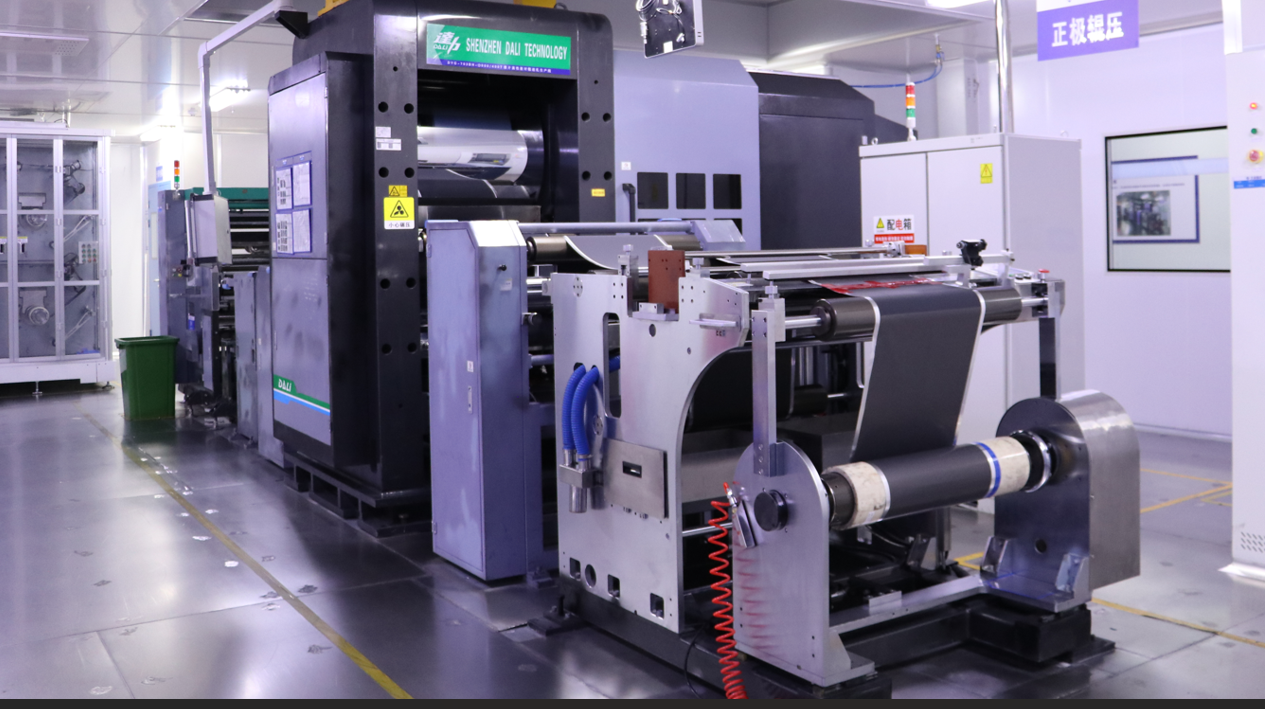
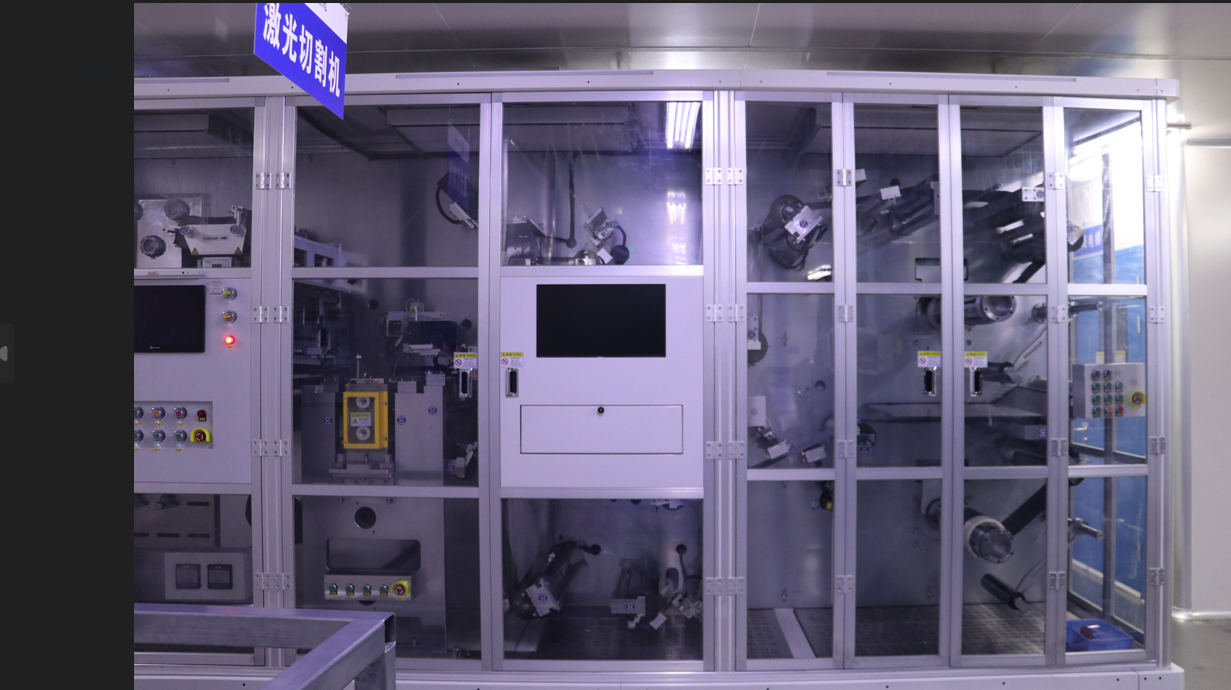
5. Slitting
Slitting is the process of precisely cutting the continuous electrode rolls (positive aluminum foil sheets and negative copper foil sheets) — which have undergone roll pressing — into individual sheets or narrow-width rolls of specific dimensions as designed for the cells. This step provides raw materials that meet specifications for the subsequent winding/laminating procedure and directly affects the dimensional accuracy and consistency of the cells.
To learn about the complete lithium battery production process, please continue reading Introduction to Lithium Battery Production (Part 2).
Dynalink Lithium Battery Cell Performance & Applications
- The energy density of Dynalink Lithium Battery Cells can reach up to 400Wh/kg, delivering outstanding endurance performance.
- Dynalink leads the industry in lithium battery technology. Its batteries support a continuous charging rate of ≥2C, a continuous discharging rate of 4C, and a short-term charge-discharge rate of ≥10C (the current industry average is typically 1C-2C), enabling robust fast energy replenishment and high-power output capabilities.
- The Dynalink lithium battery system offers a cycle life of ≥2000 cycles and can pass the 160℃ high-temperature chamber test, demonstrating excellent stability and weather resistance.
- Dynalink lithium batteries feature superior safety performance and are widely used across various industries.
Leveraging its exceptional comprehensive performance, Dynalink’s lithium battery products have been implemented in multiple sectors, covering four major fields: "mobile transportation, energy storage, special equipment, and consumer electronics." They provide customized energy solutions for different scenarios and have been applied in areas such as humanoid robots, drones, energy storage systems, and consumer electronic products.
(Factory visits are available by appointment, helping customers gain an intuitive understanding of the product capabilities.)