
 +86 18392991072


0102030405
Introduction to Lithium Battery Production (Part 2)
2025-11-19
Continued from Brief Introduction to Lithium Battery Production (Part 1)
6. Winding / Laminating
Winding involves using a winding machine to wind the slitted positive electrode sheets, negative electrode sheets, and separators together. Here, the separator is sandwiched in the middle, with the positive and negative electrode sheets on either side.
Laminating (or "layered stacking") refers to stacking die-cut positive and negative electrode sheets in layers, with separators placed between them to form a bare cell of a specific thickness.
The choice between winding and laminating processes mainly depends on the cell’s shape design, performance requirements (e.g., energy density, cycle life), and mass production scale. Together, these two processes support the diverse product system of current Lithium Batteries.
7. Cell Casing (Shell Insertion)
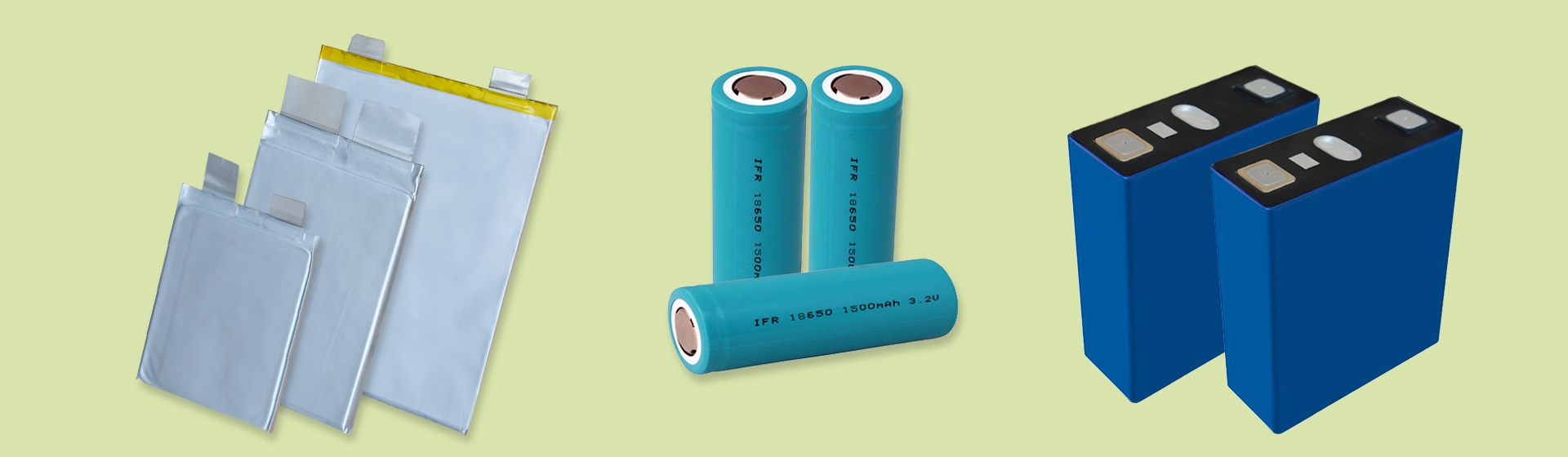
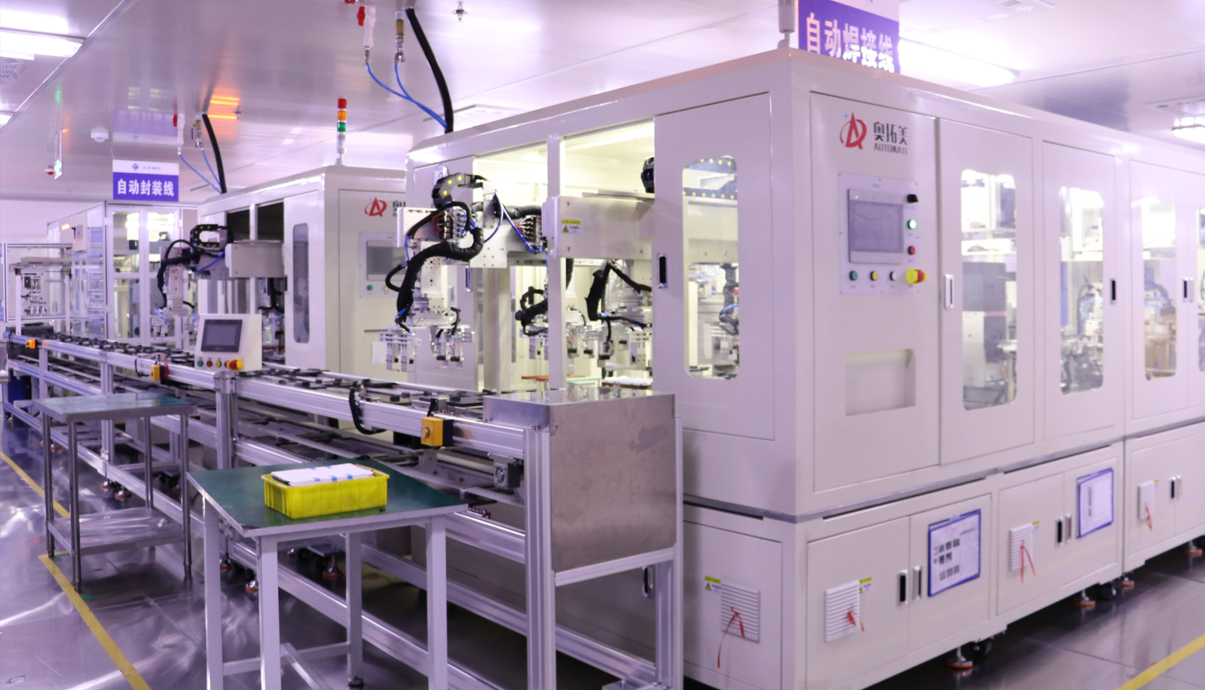
Cell casing (also known as "bare cell casing" or "shell assembly") is a core process in the lithium battery cell packaging stage. It primarily applies to prismatic and cylindrical cells (soft-pack cells have no metal shell, so this step is replaced by aluminum-plastic film packaging). The core operation is to accurately insert the wound/laminated bare cell (including tabs) into a pre-processed metal shell—aluminum/steel shells for prismatic cells and steel shells for cylindrical cells. This process lays the foundation for subsequent electrolyte injection, sealing, and cell safety protection, and directly affects the sealing performance of cell packaging and the utilization rate of internal space.
8. Electrolyte Injection
Electrolyte injection (also called "electrolyte filling") is a core process in the lithium battery cell activation stage. It involves precisely injecting a customized electrolyte (a mixed system of lithium salts, solvents, and additives) into the semi-finished cell (comprising the bare cell and metal shell) that has undergone casing and tab welding—all under strictly controlled conditions (low humidity, high cleanliness). This electrolyte provides an "ion channel" for the migration of Lithium Ions between the positive and negative electrodes, and directly determines the cell’s capacity, cycle life, rate performance, and safety performance.
9. Formation
Formation, in essence, is a critical process that uses a specific charge-discharge program to form a stable solid electrolyte interphase (SEI) film on the surface of electrode materials. At the same time, it activates the active substances inside the battery, enabling the device to achieve stable charge-discharge capabilities.
10. Capacity Grading
Capacity grading essentially involves conducting standardized charge-discharge tests to accurately measure key electrochemical performance indicators of the device, such as actual capacity, internal resistance, and charge-discharge efficiency. Based on the test results, products are "classified and screened" to ensure consistent performance of delivered products and meet the requirements of different application scenarios. After capacity grading, processes such as appearance inspection, cleaning, and laser marking are performed, followed by final packaging for shipment.
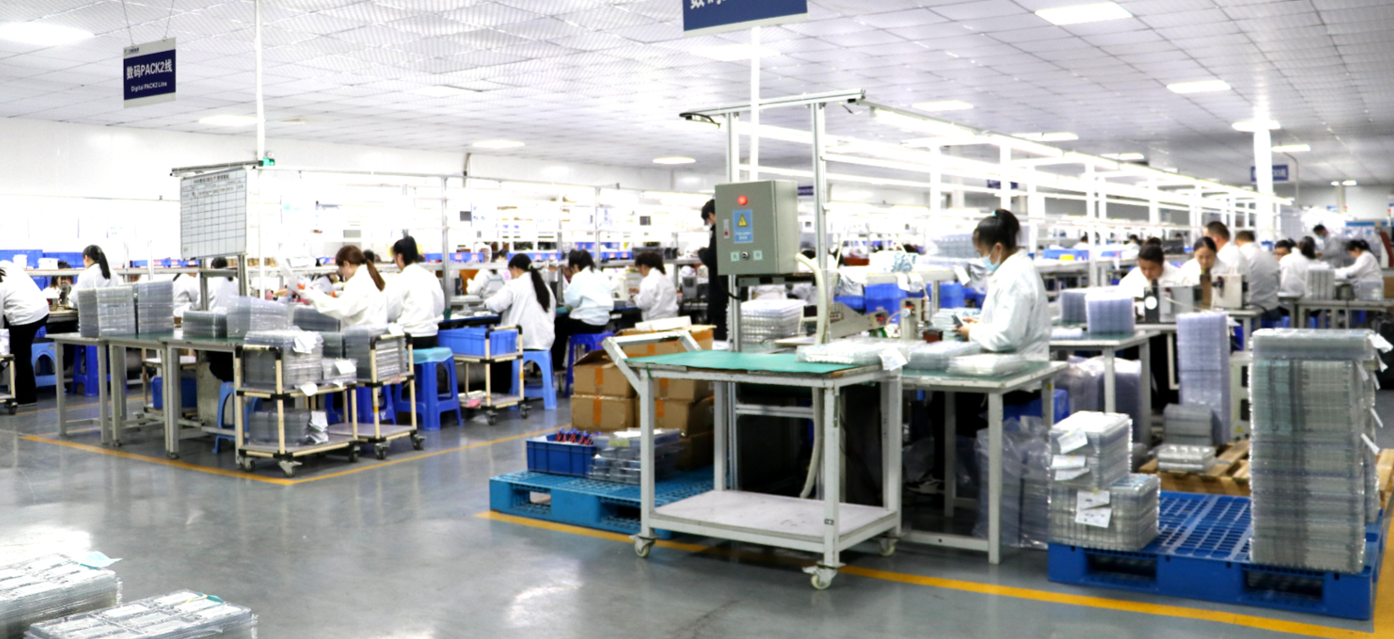
The above constitutes the basic production process of lithium batteries.
Dynalink Lithium Battery Cell Performance & Applications
- The energy density of Dynalink Lithium Battery Cells can reach up to 400Wh/kg, delivering outstanding endurance performance.
- Dynalink leads the industry in lithium battery technology. Its batteries support a continuous charging rate of ≥2C, a continuous discharging rate of 4C, and a short-term charge-discharge rate of ≥10C (the current industry average is typically 1C-2C), enabling robust fast energy replenishment and high-power output capabilities.
- The Dynalink lithium battery system offers a cycle life of ≥2000 cycles and can pass the 160℃ high-temperature chamber test, demonstrating excellent stability and weather resistance.
- Dynalink lithium batteries feature superior safety performance and are widely used across various industries.
Leveraging its exceptional comprehensive performance, Dynalink’s lithium battery products have been implemented in multiple sectors, covering four major fields: "mobile transportation, energy storage, special equipment, and consumer electronics." They provide customized energy solutions for different scenarios and have been applied in areas such as humanoid robots, drones, energy storage systems, and consumer electronic products.
(Factory visits are available by appointment, helping customers gain an intuitive understanding of the product capabilities.)