inquiry
Leave Your Message

Blog

What Are the Types of Fiber Optic Connectors?

What Are the Types of Fiber Optic Connectors?

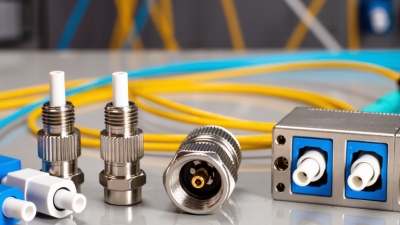
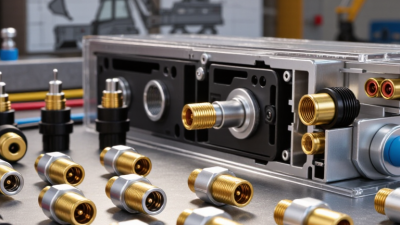
Fiber optic connectors might seem like tiny pieces of hardware, but honestly, every single connection point can have a real impact on signal quality, how much time you spend on maintenance, and the overall reliability of your network. Grand View Research, for example, put the global fiber optics market at around $8.5 billion in 2023, and they're expecting it to grow about 7.1% each year through 2030. Sure, that number includes the whole fiber optics industry, not just connectors. But it still tells you something: as fiber networks keep expanding, the little choices you make about connectors matter more than you'd think. Jim Hayes runs the Fiber Optic Association, and he's big on one thing he learned in the field: always inspect and clean your connector end faces before you mate them. Seriously, a single speck of dust on an LC or SC end face can mess up your testing and cause loss you didn't plan for. It's the little stuff that gets you. The FOA treats this as basic installation practice, not an optional extra. And if you want real measured performance, don't just trust what's printed on the connector—check the applicable IEC and TIA specs too. Alright, so this guide walks you through the most common fiber optic connector types—LC, SC, ST, FC, and MPO/MTP—and what they're usually designed to do. As you'll see, Fiber Optic Cable Connectors come in all sorts of sizes and coupling methods, and they also vary by fiber count and which equipment they work best with. For instance, an LC connector is great for saving panel space, while an MPO connector lets you terminate multiple fibers in a single interface. But honestly, the connector type only gets you so far. You’ve still got polishing, alignment, cleanliness, compatibility—all of that. Which is kind of the messy part: charts make picking parts look easy, but when you actually install them, you really have to double-check everything.
Read more »
Sophia By:Sophia - November 10, 2026
China Top 10 Self Healing Capacitor Manufacturers?

China Top 10 Self Healing Capacitor Manufacturers?

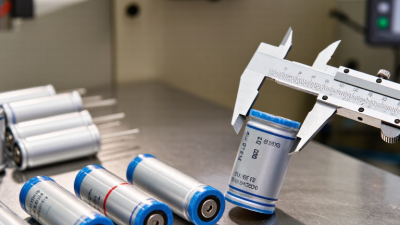
Picking a Self Healing Capacitor manufacturer in China isn't just about comparing catalog prices. Honestly, there's more to it than that. You've got to check the film type, rated voltage, capacitance tolerance, operating temperature, and how long it's supposed to last. And here's a neat little detail: in a metallized-film capacitor, a tiny dielectric fault causes that small area to isolate itself, so the capacitor just keeps going instead of failing. Look, this feature is definitely handy—don’t get me wrong. But it’s not like it makes a capacitor invincible. Aging, heat, electrical stress... they’re still going to take their toll. And honestly, that distinction is worth remembering. Let’s face it—narrowing down suppliers isn’t easy. So this overview of China’s top 10 self-healing capacitor manufacturers is meant to make that a little simpler for engineers, procurement teams, and distributors. I focused on the things you can actually check: product specs, factory capabilities, QC processes, testing documentation, customization options, and how well they communicate. Hopefully that gives you a solid starting point for your own shortlist. You know, when you're trying to compare suppliers, it's not just about glancing at their data sheets. You've got to really match those specs with what you're actually going to use them for – whether it's power factor correction, inverters, or industrial electronics. And don't just take their word for it – ask for actual test records and make them explain exactly how they measured those performance numbers. Honestly, a polished website can look great, but that's not what's going to help you decide. Dig a little deeper. Look, rankings are handy for cutting through a crowded market, but they can't tell the whole story for every buyer. Maybe one supplier shines when you need massive volume, while another really comes through with flexible engineering support. That said, don't just take the list at face value. Use it as a starting point, not a stamp of approval, and reach out to each manufacturer to verify current certifications, production capacity, and how their samples actually perform. The best fit ultimately depends on your operating conditions and hard evidence, not just a recognizable name.
Read more »
Ethan By:Ethan - November 7, 2026
How to Choose the Best Battery Jumper Pack?

How to Choose the Best Battery Jumper Pack?

Picking the right battery jumper pack isn’t really about going for the biggest number on the box—it’s more about finding the one that actually matches your vehicle. And let’s be honest, a weak battery can leave you stuck in the worst situations: your car won’t start in the driveway, or you’re stranded in a freezing parking lot. Fun fact: S&P Global Mobility says the average age of U.S. light vehicles hit 12.6 years in 2024. So yeah, having a good jumper pack around is kind of a no-brainer. If you drive an older car, you know that having reliable starting equipment isn't just nice-to-have—it's practically a must for a lot of people. Okay, first things first: dig out your owner’s manual and figure out what engine you’re dealing with. Then look at the pack’s starting-current ratings, what engine sizes it actually supports, the clamp design, and any temperature guidance. Peak amps? Yeah, they look great on the box, but they don’t really tell you the whole story. For the nitty-gritty, SAE’s J537 standard covers testing for automotive storage batteries, and UL 2743 is the one for portable power packs. So these references are helpful—they make it pretty clear why you need solid specs and safety info you can trust. But at the end of the day, neither of those replaces checking the product’s stated vehicle compatibility yourself. That’s still on you. So what really matters when you're using one of these every day? Things like starting reliably, connecting safely, working in the cold, being portable enough to carry around, and how you charge it. But specs don't tell the whole story. For instance, a compact unit might tuck nicely next to your spare tire—but then you realize the cables are too short or the clamps are tiny. Easy to overlook, right? Honestly, there's no one-size-fits-all option. It depends on your car, your climate, and how you drive. Look at the evidence, and definitely check the manufacturer’s instructions—you don’t want to skip that. Also, pick a pack you can actually handle without panicking when the engine just won’t start.
Read more »
Sophia By:Sophia - November 2, 2026
What Are Metallized Film Capacitors?

What Are Metallized Film Capacitors?

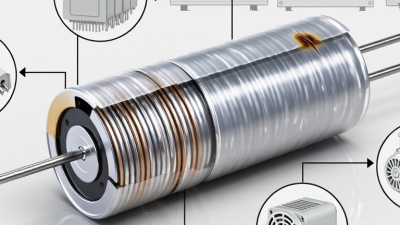
You know those little cylindrical components you see on circuit boards? Well, metallized film capacitors are pretty interesting. They basically use a super thin plastic film as the dielectric, and a really fine metal coating acts as the electrode. The whole thing gets wound up into a compact shape, then they connect it, seal it up, and test it to make sure it'll perform under the conditions it's meant for. That's why you'll find them all over the place – in power supplies, inverters, audio gear, and motor circuits – they're quite versatile. I mean, they can offer low losses and handle pulse currents pretty well, but the right choice? That really depends on the circuit you're working with. One thing that really stands out is the self-healing feature. Say a tiny spot in the dielectric breaks down—well, the metal layer around it might just vaporize, kind of isolating that damaged area. So the capacitor can keep going, which is nice, but it's not like it's invincible. Overloads and plain old aging can still do it in. And here's the kicker: the details really matter. You've gotta look at capacitance, voltage rating, how hot it can get, ripple current, and how long it's supposed to last—then match all that to what you're actually using it for. You know, it's a weird thing—a capacitor that works like a charm in a cool lab might just decide to misbehave when you stuff it into a warm, tightly packed enclosure. I've seen it happen more than you'd think. You know, the trade-off isn't always obvious. You'd think higher capacitance, smaller size, and long life would just come together, but they don't automatically. Designers have to juggle other factors too—humidity, switching frequency, mechanical stress, and safety requirements. Sure, these parts are often called reliable, but that reliability really depends on proper selection and operating conditions. Honestly, that deserves a closer look. Alright, so this intro is going to walk you through the basics of Metallized Film Capacitors—how they're built, how that self-healing trick actually works, and what you should keep in mind for practical use. Plus, it highlights a few sneaky selection points that are super easy to miss when you're comparing datasheets side by side.
Read more »
Ethan By:Ethan - October 29, 2026
Why Choose Power Supply Connectors for Global Sourcing?

Why Choose Power Supply Connectors for Global Sourcing?

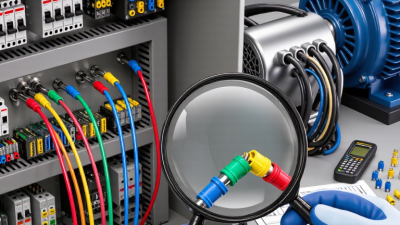
Picking power supply connectors when you're sourcing globally? It’s not just a purchasing call. It can shape equipment uptime, how smoothly assembly goes, safety, and what maintenance looks like down the road. Before signing off on a supplier, experienced engineers usually dig into current ratings, voltage limits, contact resistance, insulation materials, and mating cycles. And honestly, those details really matter once a connector is tucked inside a crowded control cabinet or sitting next to a vibrating motor. Reliable sourcing? Yeah, that also means doing some hands-on verification. Your team should dig into the technical datasheets, ask for production samples, and take a close look at crimp quality under a magnifier. And don't skip the stress tests—temperature cycling, vibration checks, pull-force testing. Those are the things that can expose weak spots photos just won't show. Honestly, Industrial Power Connectors need to deliver the same reliable performance no matter what factory or assembly setup they're in. Clear drawings, lot traceability, and tech support that actually responds can make working across borders a lot more dependable. And yeah—price still matters. But don't let that drive the whole decision, okay? A cheaper connector can end up costing you more—think loose contacts, rework, or shipments that get held up. And honestly, no connector is perfect. Supplier claims? They're worth a close look, not blind trust. Even a great design can fail if terminals are crimped badly or the wrong cables get picked. That's where seasoned sourcing teams really earn their keep. They line up verified test data against how things actually run in the field, instead of just getting dazzled by fancy brochures. Honestly, a solid supplier evaluation process matters more than it might seem. It helps buyers balance performance, availability, compliance paperwork, and the total cost of ownership—without dropping any of those balls. And the right Power Supply Connectors? They’re not just about keeping the electricity flowing. They give you a stable foundation for products you can actually rely on, especially when you’re selling across multiple markets.
Read more »
Sophia By:Sophia - October 25, 2026
How to Choose the Right Electrical Connectors?

How to Choose the Right Electrical Connectors?

Choosing the right Electrical Connectors begins with the real conditions surrounding the connection. Voltage and current matter. So do temperature, vibration, moisture, dust, and repeated plugging. A connector used inside a sealed control cabinet faces different risks from one mounted on outdoor machinery. Dr. Michael Pecht, a recognized reliability engineering expert, states, “Reliability is the probability that a system will perform its intended function for a specified period under stated conditions.” This principle applies directly to connector selection. A product may look strong on a workbench. It may still loosen after months of vibration. That is where practical testing becomes important. Begin with the application, not the catalog photograph. Check the conductor size, contact material, insulation rating, locking method, and available installation space. Then compare trusted manufacturers, such as TE Connectivity, Molex, Amphenol, and Phoenix Contact. Their datasheets can reveal current ratings, mating cycles, operating temperatures, and ingress protection details. Electrical Cord Connectors also require careful attention. Flexible cords move, bend, and pull against their terminals. A connector that works well in fixed wiring may fail in a moving assembly. Small details matter. Strain relief matters greatly. No checklist is perfect. Field conditions often expose assumptions made during design. Therefore, inspect sample connectors under realistic loads before approving production. Confirm the crimp quality, contact retention, and heating behavior. Record what happens. The right choice balances safety, performance, serviceability, and cost. The cheapest connector is rarely the cheapest failure. Yet the most expensive option may offer unnecessary protection. Good selection depends on evidence, honest testing, and a willingness to revise the first decision.
Read more »
Sophia By:Sophia - October 20, 2026
10 Best Microwave Capacitors for Global Buyers

10 Best Microwave Capacitors for Global Buyers

Picking the right microwave capacitor isn't just a shopping task—it's a real engineering call. Global buyers usually end up comparing capacitance, voltage rating, Q factor, ESR, tolerance, temperature stability, and package size. And a small ceramic part can look great on paper but then fizzle out at one specific frequency. Those tiny details? They matter. Microwave engineering author David M. Pozar put it well: “Measurements are the final judge of microwave performance.” I think that's a pretty solid rule here. So each candidate should be checked against datasheet evidence, past application experience, and realistic testing. Some key suppliers to keep an eye on include Knowles Precision Devices, Vishay, KYOCERA AVX, Murata, and TDK. Their parts show up in RF amplifiers, radar systems, medical equipment, communication networks, and industrial power circuits. Some applications also call for a Microwave High Voltage Capacitor that offers strong insulation, stable dielectric performance, and dependable pulse handling. Before buying, check operating frequency, dissipation factor, mounting method, humidity resistance, and long-term derating. Really—check the details. Always. This list of the 10 Best Microwave Capacitors for Global Buyers is meant to be a practical starting point. It compares how suitable components are, rather than pretending there's one universal winner. That difference matters. A capacitor that works great in a 2.4 GHz prototype might act completely differently in a high-power radar assembly. Lab fixtures can hide weaknesses too. I've found that even careful selections need verification under real temperature, power, and mechanical conditions. The ranking may not fit every design, and honestly, that's worth admitting. Engineers should confirm availability, traceability, technical support, and regional compliance before they buy. Reliable choices start with evidence—and then get better through testing.
Read more »
Sophia By:Sophia - October 15, 2026
How to Choose the Best Polypropylene Film Capacitor?

How to Choose the Best Polypropylene Film Capacitor?

Picking the best Polypropylene Film Capacitor? It’s not just about capacitance and price. A lot depends on voltage, frequency, temperature, pulse current, and how it’s installed. A cap sitting next to a hot motor drive is dealing with a very different set of stresses than one tucked inside a precision audio circuit. Those little details really do matter. In real equipment design, polypropylene film caps are liked for low dielectric losses, stable capacitance, and solid pulse handling. But “low loss” doesn’t mean it’ll work everywhere. You still need to check rated voltage, max working temperature, tolerance, self-healing behavior, and expected life. And don’t forget physical size and terminal spacing—a part can be fine electrically and still fail mechanically. Small clearances? They can turn into big headaches. Start with what the application actually needs. For DC-link circuits, keep an eye on ripple current and thermal rise. For snubbers, pulse capability and dv/dt ratings are the big ones. In signal applications, dissipation factor and insulation resistance might affect long-term accuracy. Use current manufacturer datasheets, app notes, and relevant IEC requirements when you check specs. Independent test data can help, sure, but it needs to line up with your operating conditions. No selection guide is perfect. Real circuits have wiring inductance, airflow that changes, and transients you didn’t plan for. So engineers should test representative samples under realistic loads—not just trust catalog numbers. Record temperature, waveform, ripple current, and capacitance drift while testing. That kind of evidence helps you make a more reliable choice and catch weak spots early. A thoughtful selection process lowers replacement risk, protects nearby components, and helps the Polypropylene Film Capacitor stay stable over time.
Read more »
Oliver By:Oliver - October 12, 2026
Top Energy Storage Capacitor Suppliers for Global Buyers?

Top Energy Storage Capacitor Suppliers for Global Buyers?

Picking an Energy Storage Capacitor supplier? It’s not just about price or the capacitance on the label. If you’re buying globally, you’ve got to dig into ripple-current ratings, ESR, voltage tolerance, thermal behavior, and verified service life. A cap that looks great in the lab can act totally different once it’s inside a solar inverter, an electric bus, a wind converter, or an industrial backup system. Real-world conditions matter—a lot. This guide looks at some of the main suppliers, like Eaton, Maxwell Technologies, Panasonic Industry, TDK, Cornell Dubilier, and Nippon Chemi-Con. Their lines cover different needs, from compact power electronics to high-power Super Capacitor Energy Storage systems. Datasheets are a starting point, sure. But factory audits, sample testing, traceability records, and application support give you stronger proof. And pay attention to test temperatures and cycle conditions—they can completely change what a durability claim really means. No single supplier fits every design. Buyers should also check production capacity, regional distribution, warranty terms, and how fast technical support responds. A low unit price can get expensive fast if lead times stretch out or field failures start piling up. That said, a big reputation isn’t enough either. Independent qualification still matters. This article compares practical strengths and limitations instead of crowning one universal winner. Some conclusions may need revising as tech, materials, and energy-storage standards evolve. And honestly? That uncertainty deserves a straight answer. A careful selection process ties electrical performance to safety, maintenance, and total ownership cost.
Read more »
Ethan By:Ethan - October 7, 2026
Who Makes the Best Metallized Film Capacitors in China?

Who Makes the Best Metallized Film Capacitors in China?

Picking the right manufacturer of Metallized Film Capacitors in China isn’t just about comparing price lists — there’s a lot more to it. You really want to look into things like the film quality, how evenly the metallization is applied, the tension during winding, edging details, and how well the capacitors can self-heal over time. These little things often make the difference when it comes to surviving heat, vibrations, or going through repeated voltage stress. As Dr. W. J. Sarjeant, a capacitor researcher, once pointed out, “The capacitor is the forgotten component.” And honestly, that’s still true. A shiny datasheet can only tell you so much — actual factory reports and real-world evidence matter way more. Good suppliers should be able to show you traceable materials, production logs, aging test results, and even samples straight from their current lines. When it comes to Chinese makers, brands like Faratronic, Anhui Tongfeng Electronics, and Nantong Jianghai Capacitor tend to come up a lot for industrial uses. Keep in mind, their strengths can vary based on the type of product, voltage ratings, dielectric film, and how much customization you need. Now, just because a supplier is big doesn’t automatically mean they’re the best choice. A smaller factory might be more flexible and faster with engineering support, while a big one could deliver more consistent quality on large scale—both are worth checking out. Make sure to ask for records on capacitance tolerances, dissipation factor, temperature-life tests, and failure analysis. And don’t forget to actually inspect their winding surfaces, terminal finishes, and how well they encapsulate the components. Get in there and look closely. Of course, this isn’t a perfect science. Public info can be spotty, and marketing stuff might gloss over the tough engineering choices. Really, performance depends a lot on how you use the caps — things like ripple current, ambient temps, switching frequencies, and how they’re installed all matter. So, in this article, we focus on some real-world evidence—like technical capabilities, quality control, delivery reliability, and customer feedback—to compare Chinese manufacturers. It’s not about saying there’s one clear winner. Instead, it’s about finding the best fit for each specific application that demands certain specs and performance levels.
Read more »
Ethan By:Ethan - September 30, 2026
7 Tips for Choosing the Right Metal Film Capacitor

7 Tips for Choosing the Right Metal Film Capacitor

Picking out a Metal Film Capacitor isn’t just about matching the right capacitance number. There’s more to it—think about things like how much voltage it needs to handle, its frequency response, operating temperature, and how it all fits onto your circuit board. Just because something looks perfect on a schematic doesn’t mean it’ll work perfectly in real life—it might get warm, drift out of spec, or not fit into the space you have. So yeah, those small details really do matter. I’ve put together a simple checklist with seven practical steps to help you compare your options. It dives into how capacitance and tolerance influence overall performance, why having a bit of extra rated voltage can save you headaches, and how the type of dielectric influences stability and efficiency. It also covers things like ripple current, pulse demands, lead spacing, the size of the component, and the actual operating conditions. Don’t forget to check the datasheet—sometimes, ratings can differ even within the same series, even if the package size looks identical. At the end of the day, the best choice depends on what you’re actually working on. For example, a timing circuit needs a stable capacitance, while a snubber circuit might need to handle high pulses. There’s no one-size-fits-all answer here. It’s pretty easy to be tempted by a cheap price or a popular brand, but don’t forget to compare the exact series—not just the general category—and make sure the part really matches your operating conditions. If you’re not totally sure about the actual environment, it’s a good idea to measure your prototype and double-check your selection. These tips should get you started, but they’re just a jumping-off point—you’ll still want to apply some engineering judgment based on your specific setup.
Read more »
Sophia By:Sophia - September 26, 2026
7 Tips for Choosing Metallized Film Capacitors

7 Tips for Choosing Metallized Film Capacitors

You might notice that Metallized Film Capacitors often look pretty similar when browsing through supplier catalogs. But the thing is, their actual performance can vary a lot once you put them into real equipment. For example, a motor drive, solar inverter, or audio amplifier each push these capacitors in different ways—different insulation needs, ripple currents, temperature ranges, and how long they last. Just picking a capacitor based on capacitance alone? That’s often a costly shortcut that can lead to surprises. So, I’ve put together seven practical tips to help you choose Metallized Film Capacitors more confidently. Things like dielectric type, rated voltage, capacitance tolerances, dissipation factor, self-healing capabilities, packaging, and what the manufacturer’s documentation says—these all really matter, especially when the capacitor’s sitting next to a heat sink or dealing with repetitive switching pulses. Even if a part checks all the datasheet boxes, it might run hotter than you expect once it’s installed, which is something worth paying attention to. It’s a good practice for engineers to compare measured ripple current, thermal rise, pulse conditions, and how the capacitor is mounted, against the manufacturer’s test methods. Having clear traceability, batch records, and recognized quality certifications can also give you peace of mind when making purchasing decisions. That said, certifications alone aren’t enough—doing some real-world testing on small batches can reveal noise issues, vibration problems, terminal stress, or unexpected aging early on, before you move into full production. Always keep your design margins in mind. It’s easy to overlook factors like humidity, operating frequency, or daily runtime, but those details can make a big difference. These recommendations are based on solid capacitor principles and practical experience, understanding that every circuit has its own limits. Careful selection can boost reliability, but don’t forget—nothing replaces actual verification. Testing matters, folks.
Read more »
Oliver By:Oliver - September 22, 2026
China Top 10 Compensation Capacitor Manufacturers

China Top 10 Compensation Capacitor Manufacturers

China's game in the compensation capacitor world is really stepping up—becoming more capable, specialized, and catching the eye internationally. These little components aren’t just about store-bought specifications; they play a big role in power-factor correction, motor systems, industrial controls, renewable energy gear, and power quality improvements. But here’s the thing—performance isn’t just about the capacitance number. When designers pick these things, they need to think about voltage stability, dielectric loss, how well they handle ripple currents, thermal behavior, self-healing capabilities, and overall lifespan. In this overview, I want to introduce you to ten notable Chinese manufacturers, including names like Guilin Power Capacitor Co., Zhejiang Wankang Technology, Nantong Jianghai Capacitor, Anhui Tongfeng Electronic, and Faratronic. But let’s be honest—there could be other players worth checking out too. Keep in mind, rankings can vary based on application, testing methods, export experience, and how big a scale their production is. It’s not always a straightforward race. Here’s a good reminder from Dr. Robert W. Erickson, a respected power-electronics expert, who once said: “A capacitor is only as good as the system around it.” That really hits home, especially when you look at Compensation Capacitors. No matter how great the capacitor is, it still needs proper voltage selection, cool enough operation, solid protection, and a careful install job. When you’re evaluating these parts, ask for datasheets, factory testing records, batch traceability info, and relevant certifications. And don’t overlook the film winding—any uneven tension there can be a red flag. Terminal quality is important too—small flaws can turn into serious reliability issues down the line. Now, I don’t mean to suggest all these companies are direct competitors. Some are more into metallized film capacitors, others focus on high-voltage assemblies, custom designs, or even automated manufacturing. When you’re the buyer, make sure you're comparing what actually matters—your real operating conditions—not just slick marketing talk. That’s where this guide, imperfect as it may be, tries to help. Just keep in mind, manufacturer info can change, so independent checks are always a smart move.
Read more »
Sophia By:Sophia - September 18, 2026
What Are the Top Types of Female Connectors?

What Are the Top Types of Female Connectors?

Picking the right Female Connector can really make a difference. It impacts everything from signal quality and how quickly you can put things together, to how easy it is to maintain in the long run and how reliable your equipment stays over time. In real-world situations, you need to match the connector to the pin layout, current and voltage specs, contact material, and the environment it’ll be used in. Even a tiny mismatch can lead to problems like overheating, flaky signals, or tough repairs—things you'd rather avoid. This guide walks you through the most common types of female connectors found in electronics and industrial setups. For example, wire-to-board connectors are great for neat, secure connections between cables and PCBs. Wire-to-wire connectors join cables directly, without needing a circuit board in the middle. Then there are board-to-board connectors, perfect for saving space inside smaller devices. Circular connectors tend to be the go-to when equipment faces vibration, dust, or lots of handling. And coaxial female connectors are essential when dealing with high-frequency signals, helping keep interference at bay. Honestly, details really do matter. When engineers are evaluating connectors, they usually check out locking strength, how much force it takes to insert, keying options, plating, what the housing is made of, and if there are any test reports available. Sometimes, a connector might work perfectly on a test bench but come loose when placed inside a vibrating setup—that’s a mistake that’s easy to overlook. Trusted brands like TE Connectivity, Molex, and Amphenol often publish detailed technical drawings and performance data, which is super helpful. Still, don’t rely on brand reputation alone—it's always best to do your own testing tailored to your application. This overview compares different connector types, their typical uses, plus pros and cons. It also considers factors like installation space, ease of access for repairs, production volume, and operating temperatures. Keep in mind, categories can sometimes overlap, and naming conventions vary between suppliers—so don’t assume one size fits all. Choosing a Female Connector isn’t just about grabbing the smallest or cheapest option. It’s about finding the right balance between electrical performance, mechanical fit, certification needs, and real-world usability over time.
Read more »
Ethan By:Ethan - September 13, 2026
2026 Best Fiber Optic Connectors for Global Buyers

2026 Best Fiber Optic Connectors for Global Buyers

Hey there! So, when you're looking into the 2026 Best Fiber Optic Connectors for global buyers, think of it like focusing on those tiny, yet super crucial, components that safeguard your big communication setups. Even though a connector might seem simple at first glance, its polished ferrule, alignment sleeve, and housing all need to work perfectly together—that's what keeps your signals flowing smoothly. Charles K. Kao, the legend in fiber-optic tech, once said, “The most important thing is that the light has to go through the fiber with the least loss,” and honestly, that still holds true today. When comparing options, folks usually look at things like insertion loss, return loss, connector types, polish quality, and test reports. For example, LC connectors are great for super dense data centers, while SC connectors are solid for straightforward setups. If you're dealing with high-density links, MPO and MTP systems are the way to go, but be prepared to double-check their polarity and do proper inspections—that’s really important. This guide also covers Fiber Optic Cable Connectors used in telecom, enterprise networks, industrial sites, and even cross-border projects. You wanna go with reliable suppliers who provide IEC-test results, traceable materials, clear drawings, and consistent batch quality. Environmental factors like dust, vibrations, moisture, or repeated access can really mess with connectors if they aren’t sealed properly. And hey, don’t fall for the trap of thinking ‘cheaper is always better’—costs can really add up when rework is needed. No connector’s perfect, though. Some that perform great in controlled lab tests might stumble in a rushed installation. So, it’s smart to ask for samples first, check the end faces, and make sure they work with your existing adapters and cables. Experience from suppliers helps, but hard evidence—that’s what really matters. Our goal with this guide is to help balance technical quality, ease of procurement, and long-term reliability. Of course, it won’t cover every possible snag during installation, but it should give decision-makers a much clearer starting point for choosing fiber optic connectors in 2026.
Read more »
Oliver By:Oliver - September 8, 2026